Surgery for obesity

Bariatric procedures

Bariatric surgery is a set of minimally invasive procedures to treat obesity when more conservative methods —diet, exercise and medication— have not been enough. Depending on the case, it may help control associated comorbidities and improve quality of life.

Book an assessment
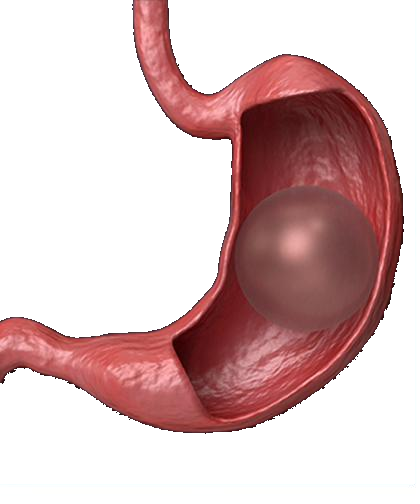
Medical illustration: Gastric balloon

Bariatric procedure

Gastric balloon

It involves inserting a soft, flexible silicone sphere into the stomach via endoscopy, reducing gastric capacity to support the weight-loss process.

  • No major surgery required: it's placed endoscopically, without incisions.
  • It's a temporary device that works within a phased plan with medical and nutritional support.
  • Indicated in selected cases; eligibility is confirmed during the assessment.
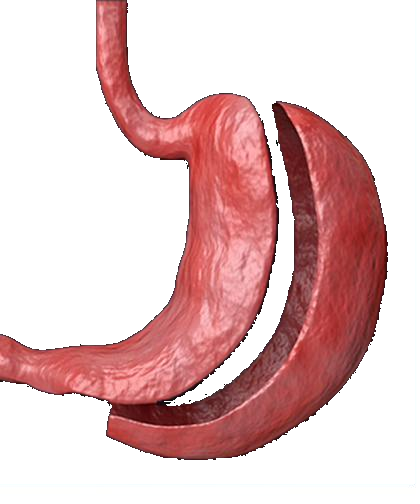
Medical illustration: Gastric sleeve

Bariatric procedure

Gastric sleeve

Also known as the gastric sleeve, it involves removing roughly 80% of the stomach, turning it into a smaller-capacity tube that reduces the amount of food you can eat.

  • It's the most performed bariatric procedure in the world.
  • It's performed laparoscopically: small incisions, less post-operative pain and guided recovery.
  • Includes the one-year support program with 7 check-ups.
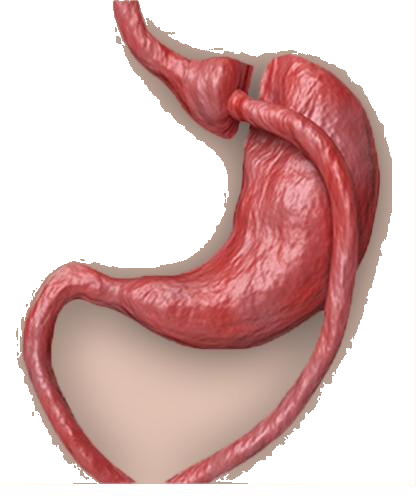
Medical illustration: Gastric bypass

Bariatric procedure

Gastric bypass

A technique that creates a small stomach pouch of about 15 to 20 ml connected directly to the small intestine, letting food “bypass” a large segment and reducing calorie and nutrient absorption.

  • It's usually indicated in specific cases, such as severe reflux or long-standing diabetes.
  • The choice between sleeve and bypass is defined with the Dr. during the assessment, based on clinical criteria.
  • It's also performed laparoscopically, with a rigorous protocol that minimizes risks.

The indication for each procedure depends on clinical criteria that are evaluated in a medical assessment. This information is for guidance only and does not constitute a diagnosis or a promise of results.

Advanced laparoscopic surgery

Technology that protects tissue

We perform procedures with minimally invasive techniques and technology that reduces tissue damage compared to conventional surgery: small incisions, less post-operative pain and a recovery guided step by step.

Other laparoscopic procedures

The same technique, other indications

Laparoscopic cholecystectomy

Removal of the diseased gallbladder through small incisions, using a video camera and specialized instruments that reduce post-operative pain.

Ask via WhatsApp

Hernia repair

The same minimally invasive technique repairs hernia defects: umbilical, inguinal, abdominal wall, rectus diastasis and even diaphragmatic (hiatal) hernia.

Ask via WhatsApp

Anti-reflux surgery

Surgical treatment for gastroesophageal reflux disease (GERD), in which food or stomach acid flows back from the stomach into the esophagus.

Ask via WhatsApp

Colon surgery

A colectomy is the removal of a diseased part of the large intestine. It's indicated for conditions such as diverticulitis, bowel obstruction or colitis that doesn't respond to medical treatment.

Ask via WhatsApp

The first step

Start with an assessment, not a decision

In the assessment we review your case, answer your questions and map out a clear path. No pressure, no obligations.

15-minute assessment

Book your assessment

Leave us your details and choose how to continue. It takes less than a minute.

No cost to leave your details. The assessment is confirmed in the next step.

Thank you, done!

Your details have been saved. Now choose how you'd like to continue:

Pick a date and time in the calendar Coordinate via WhatsApp

Our advisors confirm the date with you and answer any questions before the appointment.

Dr. Elika Luque · Bariatric & laparoscopic surgery